

Sewing threads for home textiles
Home textiles combine functionality, durability and decorative design. From curtains and table linen to towels, bathrobes and other bathroom textiles, each application places different demands on seams and sewing threads. Depending on the materials and intended use, seams must withstand regular handling, mechanical stress and repeated washing while maintaining their strength, shape and appearance.
AMANN offers a comprehensive range of sewing and embroidery threads for home textile manufacturing. Rasant 120 is recommended as a universal sewing thread for table linen, while Rasant 75 provides an option for heavier fabrics. Saba is a versatile choice for curtains and bathroom textiles, with Saba 80 particularly suitable for thick, voluminous terry towelling. Isacord 40 is recommended for decorative embroidery on products such as napkins, towels and bathrobes. The appropriate thread depends on the materials, seam construction, decorative requirements and manufacturing conditions.
Curtains

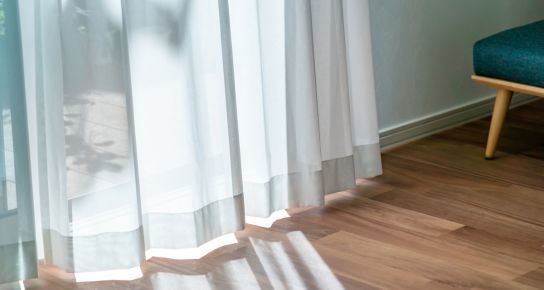
AMANN sewing thread recommendation for curtains
Curtains combine functionality, design and durability. From lightweight, flowing curtains and decorative drapes to heavy blackout curtains and Roman blinds, seams must provide reliable strength and stability while maintaining a neat and consistent appearance. The right sewing threads help achieve durable finishes without compromising the drape and visual quality of the fabric.
AMANN offers a wide range of sewing threads for curtain manufacturing. Saba 120 is recommended as a universal sewing thread, while other thread sizes and products are available for different fabric weights and sewing requirements. Saba in heavier thread sizes is suitable for heavy decorative fabrics, whereas Saba 150 and Serafil Fine provide options for particularly fine materials. Sabatex complements the range for overlock and serging applications. The appropriate sewing thread depends on the fabric properties, seam construction and sewing conditions.
| Seam no. | Seam type | Stitch type | Needle thread | Bobbin or looper thread | Needle size min. Nm | Needle size min. No | ||||
|---|---|---|---|---|---|---|---|---|---|---|
| Article | Ticket no. | Tex no. | Article | Ticket no. | Tex no. | |||||
| 1 | Closing and topstitch seams | 301 lockstitch | Saba | 120 | 24 | Saba | 120 | 24 | 65 | 9 |
| 2 | Topstitch seam | 514 4-thread overlock stitch | Saba | 120 | 24 | Sabatex | 120 | 24 | 65 | 9 |
| 3 | Serging seams | 504 3-thread overlock stitch | Saba | 120 | 24 | Sabatex | 120 | 18 | 65 | 9 |
Table linen

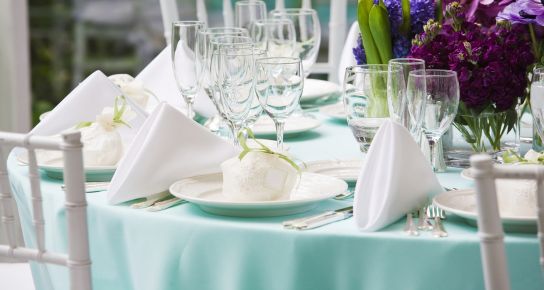
AMANN sewing thread recommendation for table linen
Table linen combines functionality, durability and decorative design. From elegant tablecloths and fine napkins to practical table runners and placemats, seams must withstand regular handling and repeated washing while maintaining their strength, shape and appearance. The right sewing threads contribute to durable construction, neat finishes and a consistent appearance across different fabric types.
AMANN offers a range of sewing and embroidery threads for table linen manufacturing. Rasant 120 is recommended as a universal sewing thread for tablecloths, napkins and other table linen products. Rasant 75 provides an option for heavier fabrics, while Isacord 40 and Rasant 120 are recommended for decorative embroidery, for example on napkins. The appropriate thread depends on the fabric properties, seam construction, decorative requirements and manufacturing conditions.
| Seam no. | Seam type | Stitch type | Needle thread | Bobbin or looper thread | Needle size min. Nm | Needle size min. No | ||||
|---|---|---|---|---|---|---|---|---|---|---|
| Article | Ticket no. | Tex no. | Article | Ticket no. | Tex no. | |||||
| 1 | Topstitch seams | 301 lockstitch | Rasant | 120 | 24 | Rasant | 120 | 24 | 70 | 10 |
Bathroom textiles

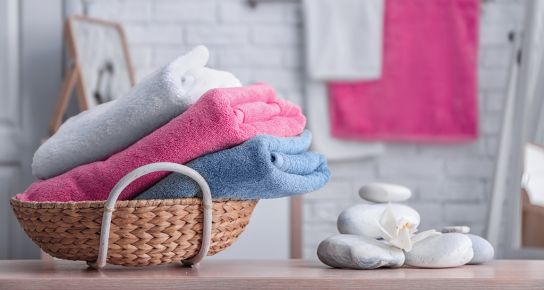
AMANN sewing thread recommendation for bathroom textiles
Bathroom textiles combine absorbency, comfort and durability. From soft towels and bath sheets to bathrobes, washcloths and other bathroom accessories, seams must withstand frequent use, repeated washing and regular exposure to moisture while maintaining their strength, shape and appearance. The right sewing threads contribute to durable construction, soft seams and reliable performance throughout the product's service life.
AMANN offers a range of sewing and embroidery threads for bathroom textile manufacturing. Saba is recommended as a universal sewing thread for towels and other terry towelling products. Saba 80 provides an option for voluminous, thick towelling, while Isacord 40 is recommended for decorative embroidery, such as logos and monograms on towels or bathrobes. The appropriate thread depends on the fabric properties, seam construction, decorative requirements and manufacturing conditions.
| Seam no. | Seam type | Stitch type | Needle thread | Bobbin or looper thread | Needle size min. Nm | Needle size min No. | ||||
|---|---|---|---|---|---|---|---|---|---|---|
| Article | Ticket no. | Tex no. | Article | Ticket no. | Tex no. | |||||
| 1 | Topstitch seams | 401 double chainstitch | Saba | 120 | 24 | Saba | 120 | 24 | 65 | 9 |
Requirements for sewing threads in home textiles
Home textiles place different demands on sewing threads depending on their materials, construction and intended use. While curtains require neat, durable seams that maintain their appearance, table linen must withstand regular handling and repeated washing. Bathroom textiles, such as towels and bathrobes, also require soft, comfortable seams that perform reliably under frequent use and exposure to moisture. The following requirements are particularly important:
- High seam strength and durability
- Resistance to repeated mechanical stress and friction
- Reliable performance during regular washing and appropriate care processes
- Consistent stitch formation and seam quality
- Reliable sewing performance at industrial production speeds
- Suitability for lightweight, medium-weight and heavy fabrics
- Compatibility with cotton, linen, blended fabrics and terry towelling
- Reliable processing of voluminous fabrics and different material structures
- Soft and comfortable seams, particularly in products with direct skin contact
- Neat and uniform seam appearance, especially on visible edges and topstitching
- Reliable performance in hemming, topstitching and decorative stitching operations
- Suitability for decorative embroidery where required
- Durable edge finishes that maintain the fabric's shape and appearance
The right combination of sewing thread, thread size, stitch type and needle helps ensure reliable processing and durable seams while maintaining the functionality, comfort and appearance of home textile products.
Choosing the right sewing thread for home textiles
The selection of sewing threads for home textiles depends on the specific application, material properties and manufacturing requirements. As curtains, table linen and bathroom textiles differ considerably in construction and use, there is no single thread suitable for every application. Important factors to consider include:
- Type of product, such as curtains, tablecloths, napkins, towels or bathrobes
- Fabric type and material composition
- Fabric weight, thickness and structure
- Number of fabric layers
- Expected mechanical stress during use and handling
- Washing frequency and care requirements
- Exposure to moisture and friction
- Seam position and construction
- Hemming, topstitching and decorative stitching requirements
- Desired seam strength, softness and appearance
- Visibility of the seam and decorative requirements
- Fabric pile structure, particularly for terry towelling
- Machine type and sewing conditions
- Stitch type and stitch density
- Needle, looper and bobbin thread combinations
- Thread size
- Needle size
For curtains, Saba provides a versatile sewing thread solution for different fabric types and seam constructions. The appropriate thread size depends on the material weight, seam requirements and desired appearance.
For table linen, Rasant 120 is recommended as a universal sewing thread, while Rasant 75 provides an option for heavier fabrics. Isacord 40 is suitable for decorative embroidery, such as embroidered napkins.
For bathroom textiles, Saba is recommended for towels and other terry towelling products. Saba 80 is particularly suitable for thick, voluminous towelling, while Isacord 40 is recommended for decorative embroidery on towels and bathrobes.
The appropriate sewing or embroidery thread should always be selected according to the fabric properties, seam construction, decorative requirements and manufacturing conditions to ensure reliable production, durable seams and lasting product quality.